Streamline KS10100 – 1″ x 100′ Type K Copper Tubing (Soft Coil) Streamline KS10100 is a 100-foot soft coil of 1″ nominal Type K copper tubing manufactured for use in underground and above-ground water supply systems, HVAC piping, and other applications requiring high-strength, corrosion-resistant copper. Type K features the thickest wall among the standard copper types (K, L, M, DWV), making it suitable for direct burial and high-pressure installations.This seamless tubing is supplied in a soft temper for flexibility and easier bending around obstacles, reducing the number of required fittings and joints. The tubing is color-coded green and incised marked for easy identification and specification verification on job sites.Product Features Type K Wall Thickness – Heaviest copper tube wall available for pressure and underground useSoft Temper Coil – Flexible configuration allows for continuous runs and minimal need for couplingsCorrosion-Resistant – Suitable for potable water, hydronic heating, and HVAC systemsSystem Compatibility – Designed for soldering, brazing, flaring, or compression connectionsCode-Compliant Identification – Marked in accordance with ASTM and applicable plumbing codesSpecifications Nominal Size: 1 inchOutside Diameter (OD): 1.125 inchesWall Thickness: 0.065 inches (nominal)Length: 100 feet (coil)Material: Seamless copper tubingType: K (Soft Temper)Temperature Range: 32°F to 400°F (typical operating limits)Standards Compliance: ASTM B88, NSF/ANSI 61 & 372, ASME B16.22, and UPC/IPC listedApplications Potable water supplyUnderground service linesHydronic heatingHVAC refrigerant and condensate linesSuitable for residential, commercial, and institutional useInstallation Notes Type K soft copper should be installed per local code requirements and manufacturer guidance. Due to its soft temper, it may be bent manually or with a mechanical bender, and it supports long runs with fewer fittings. For underground installations, trench depth, bedding, and corrosion barriers (where required) must comply with code and soil condition assessments.Use with approved fittings and connection methods depending on the application—flared, soldered, or brazed connections are common. Pressure testing and proper support spacing are critical for system integrity.
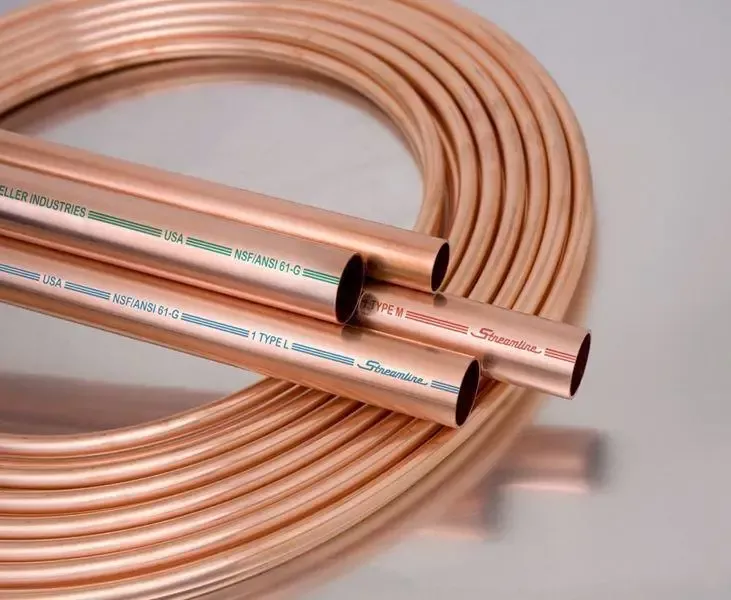
1″ x 100′ Copper Tubing, Soft Coil, Type K
Original price was: $1,067.80.$572.16Current price is: $572.16.
Sale!78 in stock
Related products
Sale!
ICP 1184813 Harness Asy Motor
Original price was: $7.37.$5.35Current price is: $5.35.
Sale!
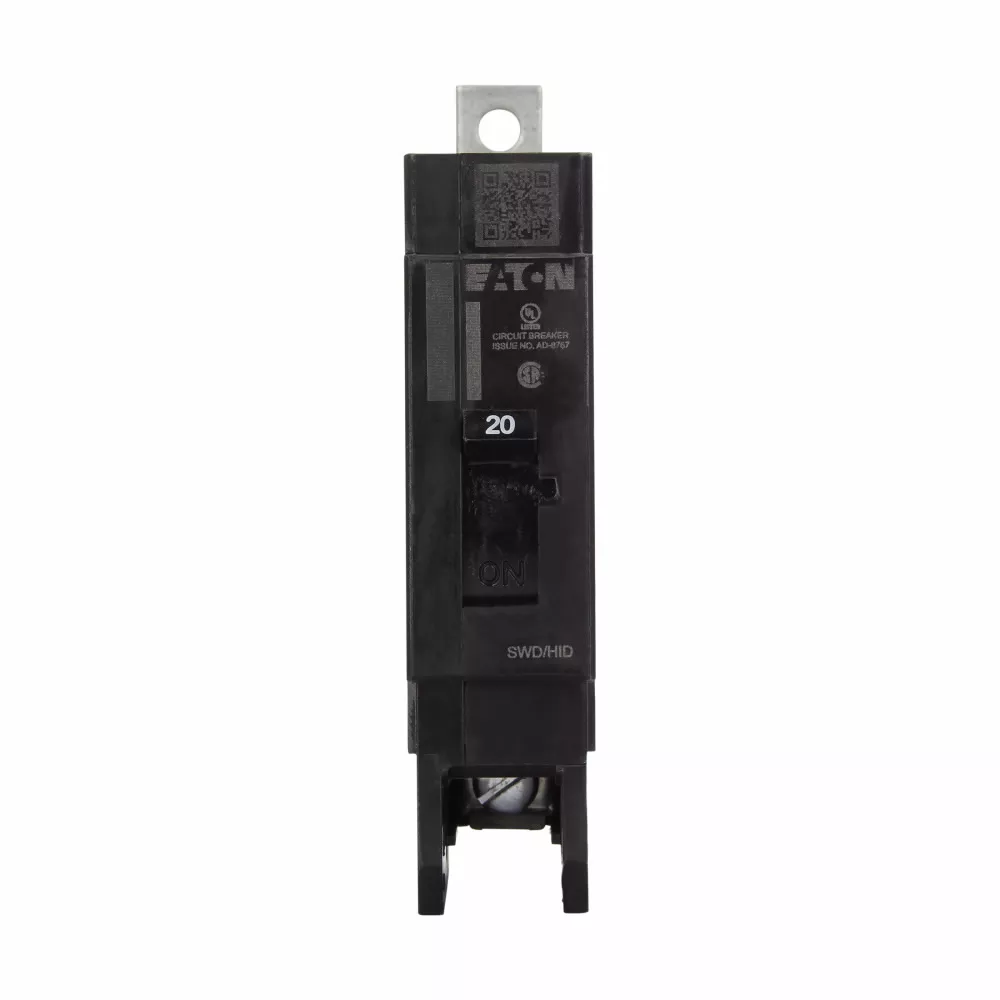
ETN GHB1020HIDBP24 GHB 1P 20A BRK f
Original price was: $284.46.$172.33Current price is: $172.33.
Sale!

International Environmental 71159901 24V N/C 2Position Actuator
Original price was: $100.15.$78.70Current price is: $78.70.
Sale!
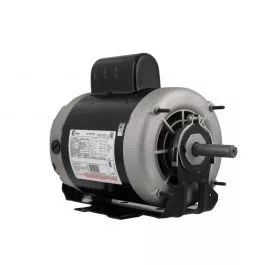
Reznor 13685 208-230/115V 1Hp 1725Rpm Motor
Original price was: $808.31.$454.71Current price is: $454.71.
Sale!
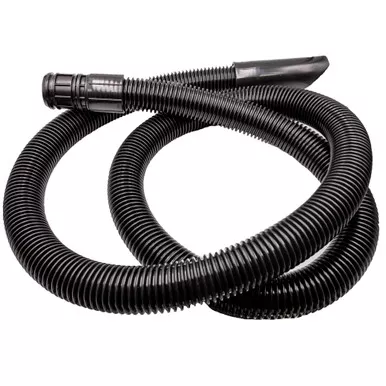
TASKI 8500730 1 1/4 inch suction hose with cuff
Original price was: $20.14.$10.77Current price is: $10.77.
Sale!
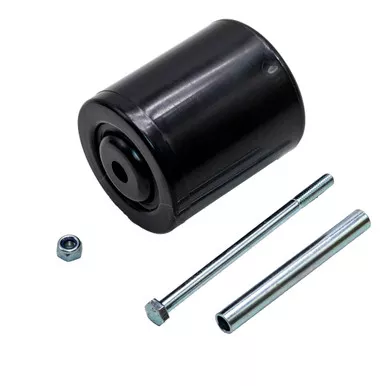
NILFISK 56344183 BUMPER WHEEL KIT
Original price was: $43.65.$23.70Current price is: $23.70.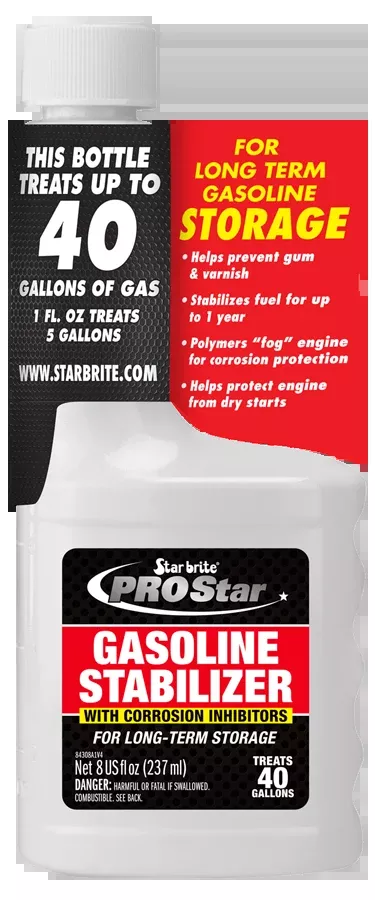
Sale!